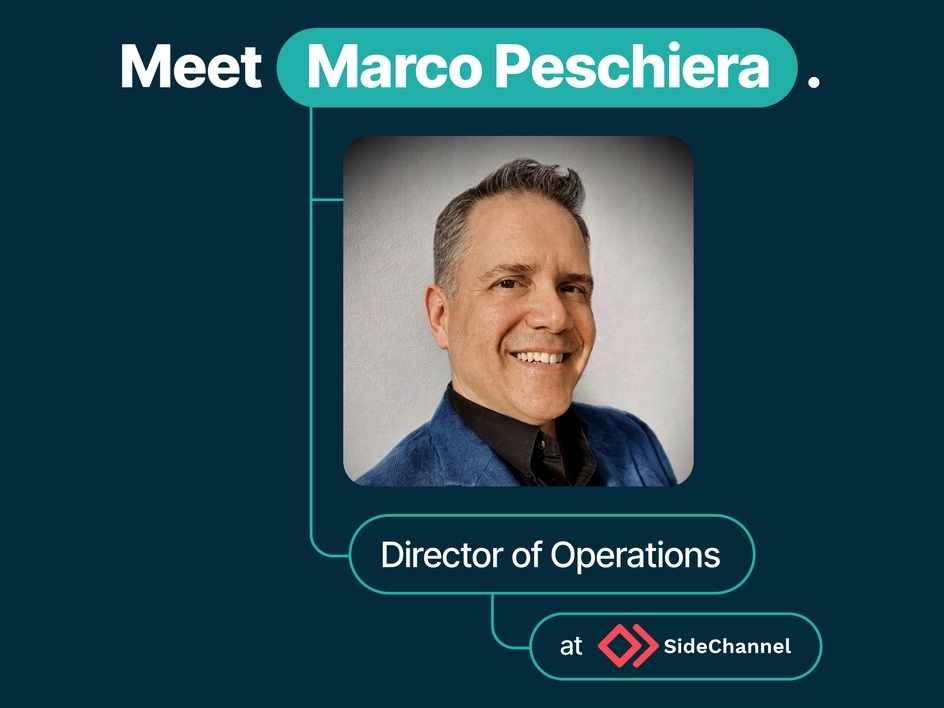
I have spent 28 years in technology, starting in software development and moving into delivery (portfolio, program, and project management) and, eventually, IT leadership. I studied Computer Science at Boston College and later earned my MBA from Worcester Polytechnic Institute, a combination that has helped me connect technical work to the business outcomes it is meant to support.
Leadership has been the constant throughout my career. I have held leadership roles for most of my life (birth order included), and along the way I discovered that I had a knack for it. For me, leadership has never been about power or status. Rather, it is about serving others, opening doors for them, helping people grow, develop, and reach their goals, having the courage to make difficult decisions, and driving toward our shared goals.
I enjoy learning and building things, whether it is software, carpentry, or music. I am fluent in English and Spanish. Away from work, you will usually find me reading, hiking, camping, canoeing, playing golf, or playing guitar, with my wife, our four children, and our dogs never far away.
The Blind Spot Is Usually a Mindset
When I step into a new environment, I often hear phrases like “That is how we have always done it” or “We have always done it that way.” To me, that signals a fixed mindset, and Carol Dweck’s work on fixed versus growth mindset is a good place to start, for anyone who wants to understand why it matters.
I am a lifelong learner. I keep an open mind because, while I know a good deal, I also know there is always more to learn. That commitment to growth and improvement ultimately leads to better performance and execution. Leaders and organizations that keep their blinders on miss opportunities to improve performance, realize greater savings, increase output, better protect their assets and environment, treat their people better, and make a greater positive difference in the world.
Programs That Move Forward Pick Their Targets
What separates security programs that move forward from those that stall is an issue that reaches across the organization, not just security teams. There are usually too many targets, so it is important to focus on the most critical targets and goals and to execute against them. Prioritize your targets, divide the work, and deliver in priority order. Rinse and repeat.
Cybersecurity Strategy Assessment
Know Which Targets Matter Most
A Cybersecurity Strategy Assessment maps your assets and risks so your team can work them in priority order.
Request a Cybersecurity Strategy Assessment Explore Fractional Services →Polished Evidence Doesn’t Reduce Risk
Security leaders spend a great deal of time responding to surveys, audit findings, and questionnaires, then gathering evidence and polishing things until they shine. That work has its place, but extra time spent polishing does nothing to reduce risk. My advice is to complete that work efficiently, and keep your focus on remediation, mitigation, and eradication.
If You Don’t Have a Handle on the Basics, Do the Basics
The most practical step an organization can take today to reduce cybersecurity risk is to put the fundamentals in place. Start with an initial environmental assessment so you understand your assets and your risks. From there, perform regular backups; plan, prepare for, and test disaster recovery and business continuity; apply patches; enable logging and continuous monitoring; run assessments iteratively, because your environment changes and so do your risks; and mitigate your risks in priority order. Start there. Then work toward a more secure environment with multi-factor authentication, microsegmentation, least-privilege policies, and a move toward zero trust. There is a lot to know, so get help to fill the gaps.
The Strategy and the Infrastructure, Together
SideChannel pairs vCISO leadership with Enclave, our zero-trust security platform, so the plan and the controls come from the same team.
Book a Consult Explore Enclave →Staying Sharp Under Pressure
Two things keep me sharp in a high-pressure role. The first is taking care of myself: getting rest, eating well, stretching and exercising, and praying. The second is preparation. Know your space and the subject matter at hand, and know your environment and your strategy, offense and defense alike, as well as you can, so you are ready to execute. A high-pressure situation is not an ideal time to learn and research.
Advice for Anyone Aspiring to Be a CISO
I would reframe the question: what is one piece of advice for someone aspiring to become a CEO, CIO, COO, or any other chief executive? My first question would be about motivation. Why do you want to be a chief? Reflect on that first, because these roles carry significant responsibility and are not always enjoyable.
If you have strong leadership skills, strong technical expertise in your functional area, and a desire to manage (leadership and management are not the same thing), then strive to be your best in all of those areas, and work hard to make a positive difference for your business and your people.
People often talk about the corporate ladder, but in reality it is more like a corporate pyramid, and climbing to the top is hard, painful, and often unpleasant. Keep working and persevering, keep improving and executing, and keep learning, delivering value, and making a difference. You may reach your goal, or you may not. Either way, enjoy the process: the journey, the challenges, the learning, the people, and the projects.
Talk With a SideChannel Security Leader
Experienced security leadership that meets your team where they are and builds from there.
Book a ConversationMarco Peschiera | Director of Operations, SideChannel
Marco Peschiera has 28 years of experience in technology, spanning software development; portfolio, program, and project delivery; and IT leadership. As Director of Operations at SideChannel, he focuses on operational execution and on helping people grow, develop, and reach their goals. Marco holds an MBA from Worcester Polytechnic Institute and a BA in Computer Science from Boston College. He is fluent in English and Spanish and enjoys building things, from software to carpentry to music.